




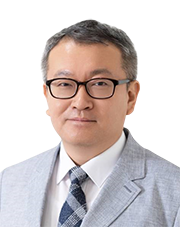
Interview with a professor who won the 2025 Doosan Yonkang Environment Research Fund
Lee Chang ha, Professor, Department of Chemical and Biological Engineering, Seoul National University
Once again, congratulations on being selected as the winner of the 'Doosan Yonkang Environment Research Fund.'
I am deeply honored and delighted to receive such a meaningful and prestigious award this year. The Doosan Yonkang Environmental Academic Award is one of the most respected honors in the field of environmental research in Korea, and it is an award that every researcher in this field aspires to receive. This recognition is not the result of my efforts alone. I would like to express my sincere gratitude to the students and alumni of my laboratory, as well as to my colleagues and collaborators, for their invaluable contributions and unwavering support throughout this journey.
Among the many fields of engineering, I would like to hear the reason why you chose "Environment" as your major.
I believe that environmental engineering represents the final stronghold for the survival of humankind. While industrial development has greatly enriched human life, it has also produced serious side effects such as environmental pollution, which now pose a significant threat to our very existence. As an engineer, I have always felt a deep sense of responsibility to confront these challenges, and that sense of purpose is what drew me to the field of environmental engineering.
It would be grateful if you are able to explain the field you are working on, and the importance of the research.
My research group and I are developing physical/chemical treatment technologies to effectively remove recalcitrant water pollutants that are difficult to eliminate using conventional methods. In particular, we are interested in innovative approaches that degrade contaminants through chemical oxidation and reduction processes. More specifically, our research focuses on the degradation of trace persistent organic pollutants in water, the disinfection of pathogenic microorganisms, the recovery of valuable inorganic resources from wastewater, and the advancement of water and wastewater treatment processes using artificial intelligence (AI). With the rapid advancement and diversification of industry, the environmental release of recalcitrant water pollutants, such as PFAS and microplastics, has become increasingly severe. These pollutants are difficult to remove using conventional treatment methods, making the development of new physical/chemical technologies essential for the sustainable preservation of water environments. In particular, innovative treatment technologies based on chemical oxidation and reduction are gaining attention as key components of next-generation advanced water and wastewater treatment systems. Therefore, this research field plays a crucial role in ensuring safe water supply for humanity as well as protecting ecological systems.
Could you please provide an explanation of the award-winning research paper?
The paper focuses on high-valent metal (HVM) species, a new class of oxidants capable of selectively degrading water pollutants. HVMs can selectively bind to specific contaminants and rapidly oxidize them. Conventional strong oxidants used for the treatment of recalcitrant pollutants often lack selectivity toward target contaminants, resulting in reduced efficiency under real environmental conditions. In contrast, HVMs with enhanced selectivity show great potential as contaminant-targeting agents, and this study elucidated their underlying reaction mechanisms.
I would like to inquire about your plans as a professor and researcher.
Chemical oxidation and reduction technologies are undoubtedly powerful and effective methods for degrading recalcitrant pollutants. However, they have the drawback of being more costly compared to biological treatment processes. To overcome this limitation, my future research aims to develop new water treatment agents and processes that can remove contaminants more efficiently and economically. Ultimately, my goal is to see these technologies successfully commercialized and widely applied in real-world settings.
Lastly, could you please share a few words of encouragement or advice for your fellow researchers who are applying for the 'Doosan Yonkang Environment Research Fund'?
I believe that the Doosan Yonkang Environmental Academic Award represents both a great honor and an aspiration for environmental researchers in Korea. However, what matters even more is the genuine passion and perseverance to address environmental challenges through continuous research. The path of research may sometimes be slow and difficult, but I believe that the insights and sense of achievement gained along the way are the true rewards. I sincerely encourage all researchers to continue their pursuit toward a sustainable environmental future in their respective fields.